
El Nino threat looms as climate change intensifies risks
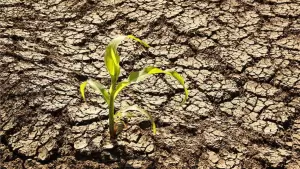
THE government is stepping up preparations for the possible impacts of El Niño, with climate change expected to intensify dry conditions, extreme heat, and water shortages in affected areas, Malacañang said Wednesday.
In a Palace press briefing, Presidential Communications Office Undersecretary and Palace Press Officer Claire Castro said that while El Niño is a natural phenomenon, the government must also consider the effects of a changing climate.
“Alam naman natin na ang El Niño ay isang natural phenomenon, but sa nararamdaman natin na climate change, kailangan din nating pag-aralan kung ano ang maaari pang maging maidulot ng El Niño,” Castro said.
Castro explained that climate change could intensify the effects normally associated with El Niño, including prolonged dry conditions, extreme heat, and water shortages.
“Dahil sa climate change, baka mas matindi ang maramdaman at magiging epekto ng El Niño, ” Castro emphasized.
Meanwhile, the Department of Agriculture (DA) has activated its El Niño Task Force to strengthen the government’s response and ensure the continued monitoring of El Niño conditions.
According to Castro, Agriculture Secretary Francis Tiu Laurel emphasized the importance of preparedness because weather conditions are not uniform across the country.
“Iba po kasi ang klima na nararamdaman natin. Merong malakas na pagbugso ng ulan, meron namang tagtuyot,” Castro reiterated.
She noted that while Metro Manila may experience rainfall, parts of the Visayas and Mindanao could simultaneously experience dry conditions, requiring government agencies to prepare appropriate interventions for different areas.
“Kailangan po talaga ng paghahanda. Ito po ay mino-monitor—patuloy na monitoring ng El Niño conditions at ang pagprotekta lalo na sa ating mga magsasaka at sa ating mga agricultural products na talagang maaapektuhan ng El Niño,” Castro stated.
The government is also strengthening the management of irrigation and water resources.
The National Irrigation Administration (NIA) has been preparing farmers for possible changes in water availability and providing guidance on agricultural practices suited to varying weather conditions.
Castro said government agencies are working with farmers on appropriate planting and harvesting schedules to minimize losses caused by heavy rains, storms, drought, and other extreme weather conditions.
“Binibigyan po nila ng mga aral o lessons ang ating mga magsasaka kung ano ba yung mga dapat na itanim kapag malakas ang ulan, kung kailan sila dapat umani para hindi maapektuhan ang kanilang mga ani,” Castro said.
She added that farmers should also consider crops that can be planted during the rainy season as part of broader efforts to maintain agricultural production despite changing weather patterns.
The administration of President Ferdinand R. Marcos Jr. continues to prioritize climate change, recognizing its potential impact on agriculture, food security, water resources, livelihoods, and communities.
Castro said the President himself has emphasized that weather patterns today may be different from those experienced in the past.
“Marahil ang mga ulan noon, 10 years ago, ay hindi kasinglakas ng ulan ngayon. Kaya ito yung isa sa focus ng Pangulo—para makapag-prepara po tayong lahat,” Castro said.
The administration’s climate agenda is aimed not only at responding to current threats but also at preparing future generations for a changing climate.
“Ang susunod na henerasyon ay hindi na sila mahihirapan dahil sa ngayon pa lang, naiprepare na natin kung ano ba ang mga tamang hakbang patungo po dito sa climate change,” Castro explained.
The government continues to coordinate with the Climate Change Commission, the Department of Agriculture, the National Irrigation Administration, and other concerned agencies to ensure that preparedness measures are based on scientific information.
“Lahat po ng gagawin natin ay according na rin po sa science para tugma po sa mga hinaharap natin sa ganitong klaseng klima, ” Castro said.
The administration emphasized that continued monitoring, science-based planning, water management, agricultural preparedness, and stronger coordination among government agencies remain essential to protecting Filipino communities and ensuring food and water security amid the growing challenges posed by El Niño and climate change
Related Articles
House OKs P72-T 2027 national budget
THE House of Representatives on Wednesday approved House Bill No. 10858, or the proposed ₱7.2-trillion General Appropriations Bill for Fiscal Year 2027, as amended, on second reading. House Committee…
P28,000 drug test bayad ni Respicio sa hamon ni Remulla
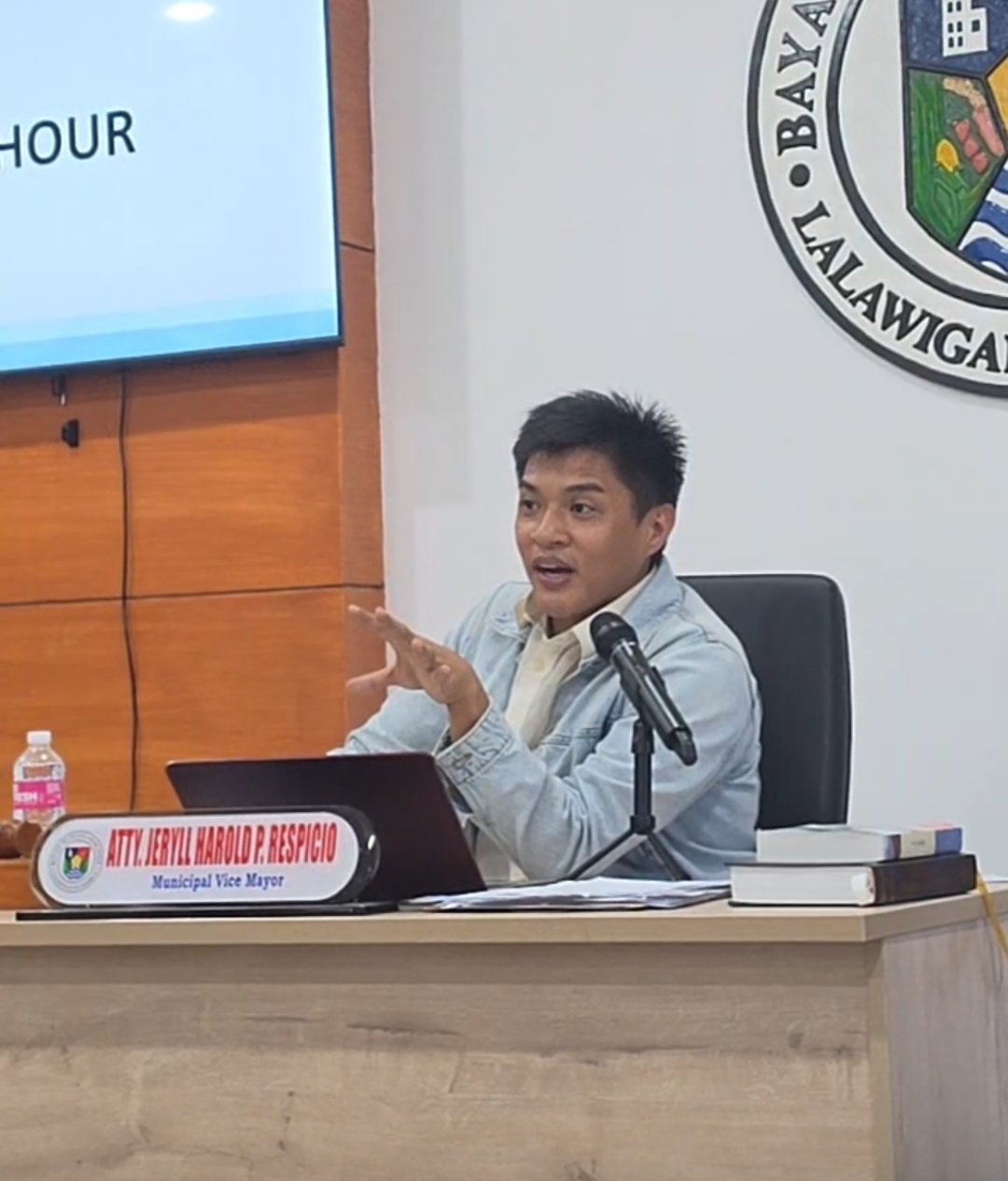
SUMAILALIM agad sa drug test ang kontrobersiyal na si Atty. Jeryll Harold Respicio, ang Vice Mayor ng Reina Mercedes sa Isabela, matapos ihayag ni Interior Secretary Jonvic Remulla na nais niyang ipas…

Opisyal ng PNP iniimbestigahan ng Napolcom dahil sa iregularidad
KASALUKUYANG iniimbestigahan ng National Police Commission (NAPOLCOM) si Police Col. Froilan Uy dahil sa mga alegasyon ng pang-aabuso sa kapangyarihan, pang-aapi at iba pang uri ng iregularidad. Ayon…